Sell Honolulu Rental Property As-Is: What Owners Should Know
If you own an aging rental building on Oʻahu and the repairs, costs and tenant issues keep stacking up, here's what an as-is sale actually involves — and how to tell whether a buyer can really close.
Key takeaways
- “As-is” means no repairs and no post-inspection punch list — it does not erase your disclosure obligations.
- Older buildings usually stall on condition and paperwork: plumbing, electrical, unpermitted work, missing as-builts.
- A listed sale reaches more buyers; a direct sale trades that exposure for fewer conditions. Neither guarantees a price.
- Off-island, trust and inherited sales need signing authority and withholding questions answered early.
- Ask any buyer for proof of funds, their inspection terms, and what they have actually closed in Honolulu.
Most owners of older Honolulu rental buildings don’t decide to sell on a single day. It builds — a roof that needs more than a patch, an insurance renewal that went up again, a tenant turnover that ate three months of rent, a property tax bill that arrives whether the units are full or not.
This article is about the mechanics of how to sell Honolulu rental property as-is — an older building on Oʻahu, in its current condition — and how to judge whether a buyer can actually close. It is not about what any particular property is worth — that’s a conversation with your own advisors, not a blog post.
Why owners of older Honolulu rentals start looking for the exit
The pressures tend to arrive together. Deferred maintenance compounds: the item you postponed two years ago is now a bigger, more expensive item. Operating costs — insurance, water, trash, vendors — rise faster than what the rent roll can absorb. Collections and turnover take real time.
Off-island owners carry an extra layer. You’re coordinating contractors by phone across a time zone, trusting an inspection you can’t attend, and paying for flights when something breaks that won’t wait.
Inherited buildings add people to the equation. Siblings have different timelines and different needs. There may be a trust or an estate to work through. Often nobody in the family wants to be the landlord, and the building keeps running on autopilot while that gets decided.
What it means to sell Honolulu rental property as-is — and what it doesn’t
As-is means the buyer accepts the building in its current condition. No pre-listing renovation, no cleanup punch list, no repair credits negotiated after the inspection comes back.
As-is does not cancel your disclosure obligations. Hawaii sellers have disclosure duties under Hawaii’s seller disclosure law (HRS Chapter 508D), and selling in current condition doesn’t mean you can stay quiet about what you know. Confirm with your real estate agent — and where appropriate an attorney — exactly what applies to your sale and when it’s due.
The buyer will usually still inspect. The difference is what happens with the findings. In a well-written as-is contract, the inspection produces information the buyer uses to decide whether to proceed — not a lever to reopen price. Ask which version you’re signing.
There’s also a difference between “as-is” on a listing and a direct sale. An as-is listing invites offers from many buyers, most of whom are still getting a loan and still carrying contingencies. A direct sale to a buyer purchasing for its own account is a different structure with a different set of conditions.
The items that usually derail a conventional sale
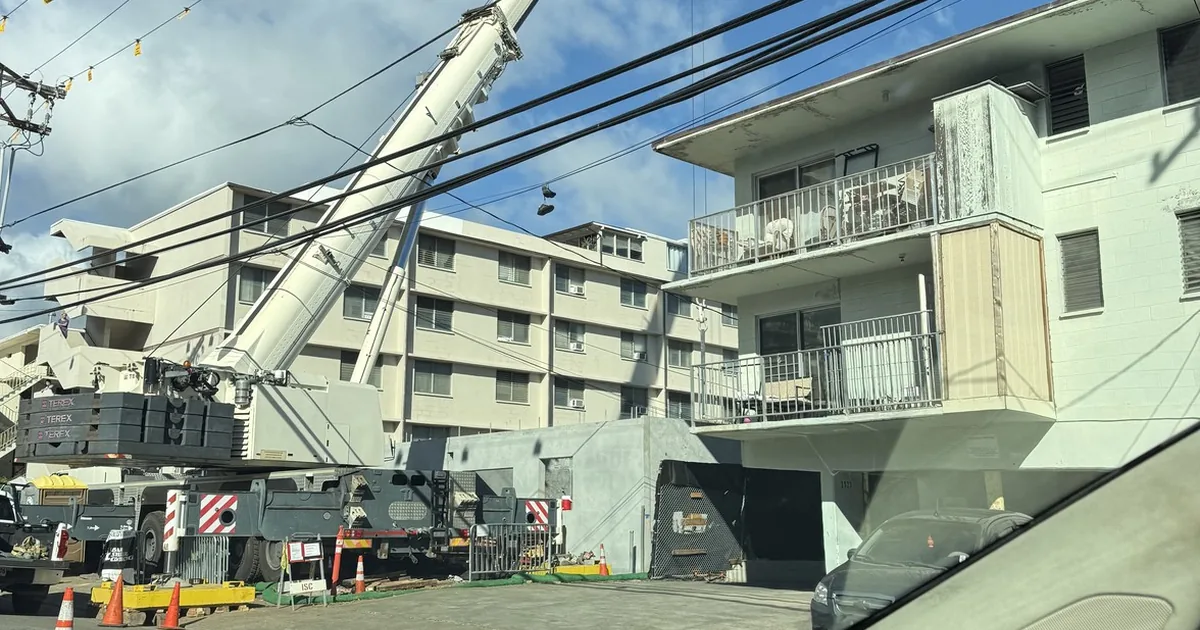
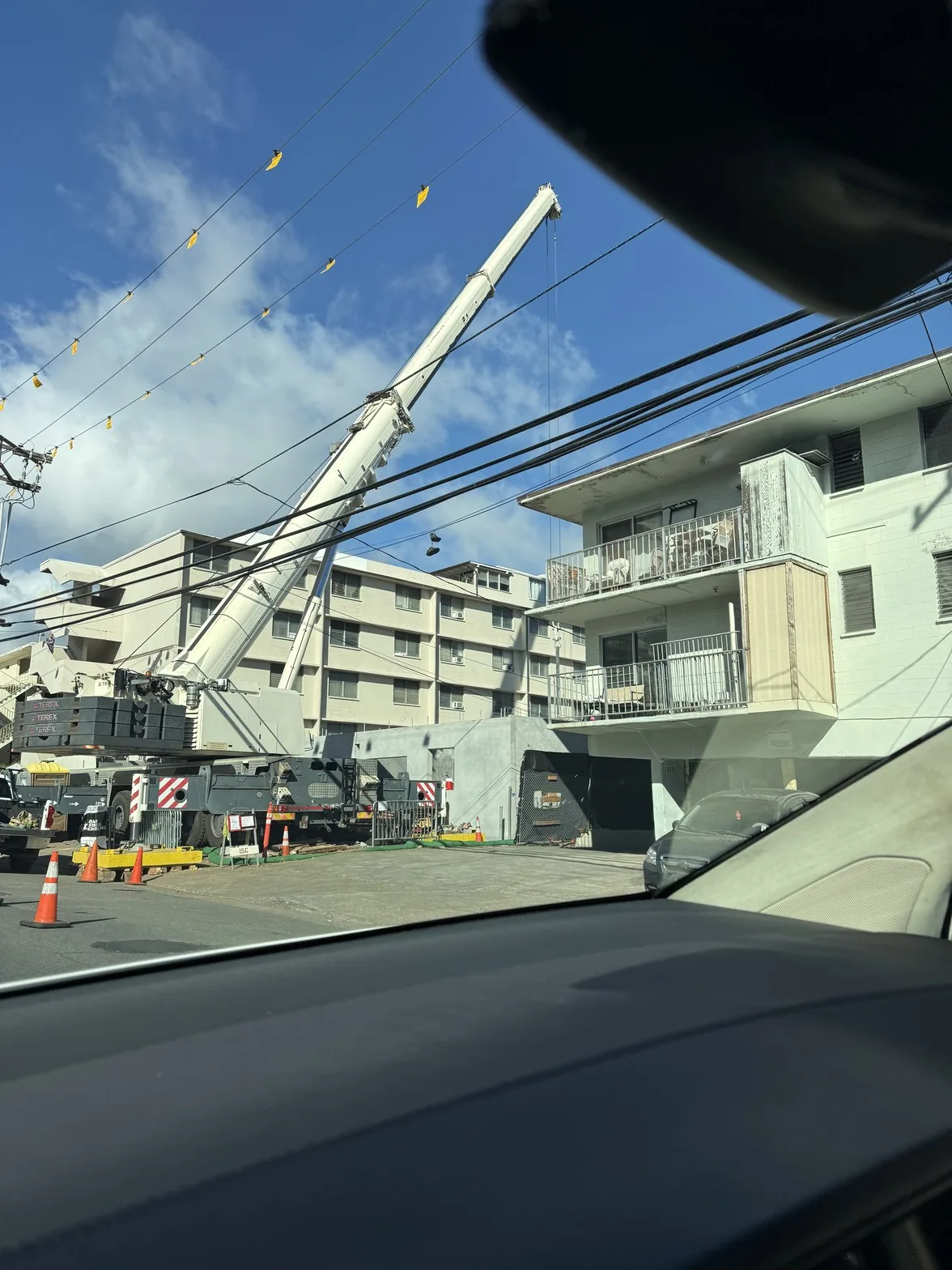
Older Oʻahu apartment buildings tend to trip over the same short list:
- Roofing at or past the end of its life
- Plumbing, including cast-iron drain lines
- Electrical service, panels and undersized capacity
- Jalousie windows and aging AC sleeves
- Termite history and single-wall construction
- Spalling on older concrete structures
The paperwork matters just as much as the physical condition. Unpermitted alterations, an extra unit that never got a permit, missing as-builts, and open permits that were never closed out can all stop a sale that looked straightforward.
Occupancy is the third category. Below-market or month-to-month leases, a partially vacant building, or tenants who won’t cooperate with showings all change how a buyer underwrites the deal.
Why it matters: a retail buyer’s lender orders an appraisal and the insurer issues a binder, and both look at exactly the items an owner has been deferring. Financing can stall on the roof, the panel or the open permit — after you’ve already been in escrow for weeks.
Listing on the market vs. selling direct
Neither path is automatically better. They trade different things.
| Factor | Listed on the market | Direct sale to a buyer purchasing for its own account |
|---|---|---|
| Repairs before closing | Often expected, or priced into offers | Typically none — building taken in current condition |
| Showings and access | Multiple showings; tenant notice each time | Usually limited access during a defined inspection period |
| Financing contingency | Common; appraisal and insurance can affect the loan | May be cash or non-contingent — ask for proof of funds |
| Post-inspection renegotiation | Common | Depends entirely on how the contract is written |
| Closing costs | Negotiated; customary splits vary | Negotiated deal by deal — get it in writing |
| Escrow length | Driven by lender timelines | Driven by the buyer’s terms, not a lender’s |
| Exposure to multiple buyers | Widest pool | One buyer, one set of terms |
| Price discovery | Competitive bidding is possible | No competitive bidding |
If price discovery matters most to you, a listing exposes the building to the widest pool of buyers, and some owners will prefer that. If fewer conditions and less work matter most, a direct sale trades that exposure away. Neither path guarantees a price or a closing date.
Before you choose a path, get independent advice. A real estate attorney and a licensed tax professional will see things in your situation that a general article cannot.
Special situations: off-island owners, trusts and inherited buildings
Signing from the mainland or overseas
Mail-away and remote closings are routine, but every escrow company has its own requirements for identification, notarization and delivery of original documents. Ask escrow what they need from you at the very start, not the week of closing.
Trusts, estates and multiple owners
Confirm who actually has authority to sign before you go under contract. Trustee powers, an estate still in probate, or four siblings on title are all solvable — but they’re solvable early, and expensive to solve late. Have an attorney review title and authority questions.
Out-of-state and foreign sellers
There are state and federal withholding rules that apply to Hawaii sales by out-of-state and foreign sellers. Ask your escrow company and a licensed tax professional what applies to you, and what exemption process (if any) is available, before you sign.
The tax treatment of a sale — basis, depreciation recapture, exchanges — is beyond what any article can answer for your situation. This is general information only; please consult a licensed tax professional.
Your tenants during a sale
Leases generally transfer with the building. Ask the buyer directly, in writing, how they intend to handle existing tenancies and security deposits, and make sure the contract says the same thing.
Get your records in order early. Rent rolls, deposit ledgers, lease copies, and any written agreements or side arrangements. Incomplete records are one of the most common causes of delay in a small multifamily sale.
Coordinate any inspection with proper notice to tenants. Access disputes slow deals down and damage relationships you may still need while the building is yours.
Fair housing applies throughout. Tenant selection and treatment must never turn on race, color, religion, sex, disability, familial status, national origin, ancestry, age, marital status, sexual orientation, gender identity or expression, or HIV status.
Seven questions to ask any buyer before you sign
- Are you buying for your own account, or representing someone else? Who will be on title?
- Is the offer contingent on financing, and can you show me proof of funds?
- What inspection period do you need — and can you reopen price after it?
- What happens to my tenants and their security deposits?
- What do you need me to repair, clear out or clean before closing — anything at all?
- What has your team actually closed in Honolulu, and can I speak to a past seller?
- Which escrow company will you use, and when can we open escrow?
The answers to questions 2, 3 and 6 tell you most of what you need to know. A buyer who can’t document funds, won’t commit to inspection terms, or has no completed local transactions is a buyer whose “certain close” is a hope, not a plan.
How Oceans works with owners
We buy older residential buildings in urban Honolulu in their current condition. That means no repairs required from you, no renovation before closing, and a contract written to be simple enough that you can read it and know what you’re agreeing to.
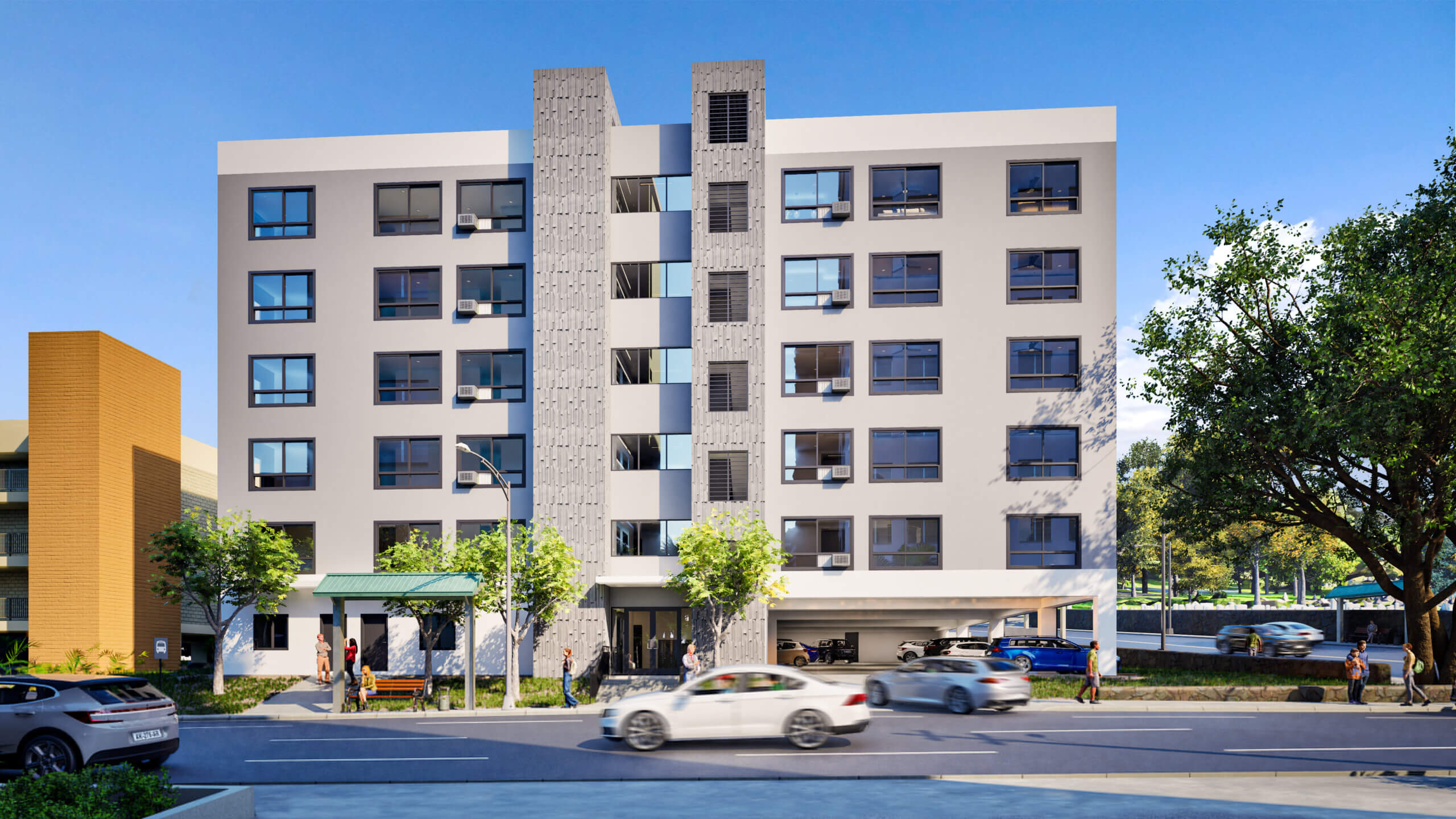
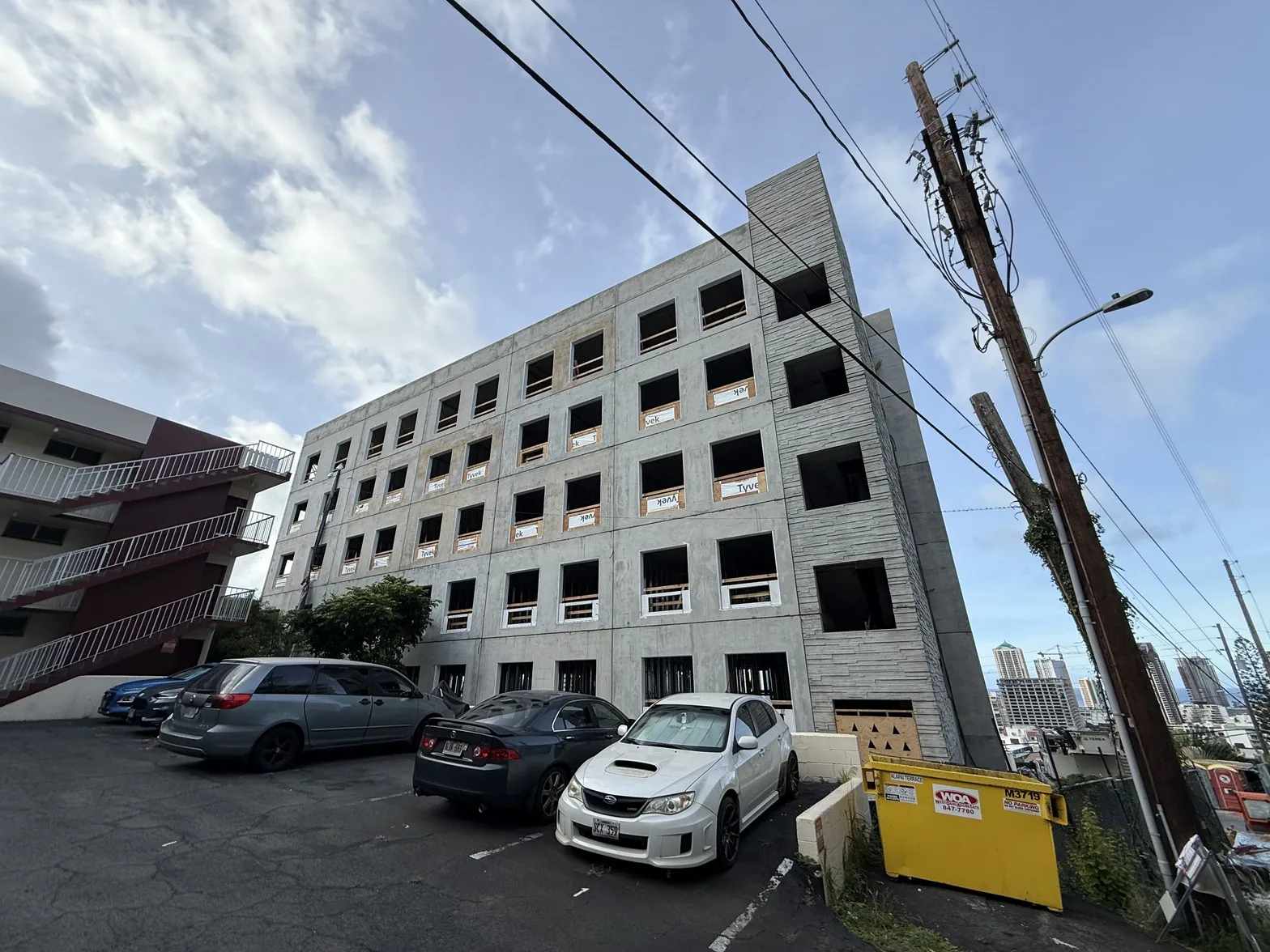
On track record, we’d rather point to finished buildings than promises. 1427 Ernest Street is a three-story, 26-unit apartment building completed in 2023. 1226 Kinau Street in Makiki, with 22 studios and 3 one-bedroom units, was built in 2024. Makiki Banyan at 1568 Pensacola Street is a six-story, concrete, 90-unit building that opened in 2026.
We’re based here in Honolulu. You won’t be handed off to an out-of-state call center, and if you’re more comfortable discussing the sale in Japanese, we provide service in Japanese as well as English.
Oceans Real Estate LLC is a licensed Hawaii real estate brokerage. When Oceans or its affiliates purchase property for their own account, they act as buyer, not as the seller’s agent.
If you’re weighing your options, a conversation costs nothing and commits you to nothing. And whichever direction you go, get your own legal and tax advice first — we’d tell you that even if you never called us.
Frequently asked questions
Does selling as-is mean I don’t have to disclose problems with the building?
No. Selling in current condition and disclosing what you know are two different things. Hawaii sellers have disclosure obligations that an as-is sale does not erase. Confirm the specific requirements and deadlines with your real estate agent and, where appropriate, an attorney.
Will a buyer still inspect if the sale is as-is?
Usually yes. The important question is what the buyer can do with the findings. In some as-is contracts the inspection is purely informational; in others the buyer can still renegotiate price. Ask which version you are signing before you accept an offer.
What happens to my tenants and their security deposits?
Leases generally transfer with the building, but you should ask the buyer directly how they intend to handle existing tenancies and deposits, and make sure the contract reflects that answer. Having clean rent rolls, deposit ledgers and lease copies ready will prevent most delays.
I live on the mainland. Can I sell without flying to Honolulu?
Mail-away and remote closings are common, but requirements for identification, notarization and delivery of original documents vary by escrow company. Ask escrow what they need from you at the beginning of the process rather than at the end.
I inherited the building with my siblings. What should we sort out first?
Signing authority. Whether the property sits in a trust, an estate in probate, or multiple names on title, confirm who can legally sign before going under contract and have an attorney review the title and authority questions.
If you’re weighing whether to sell Honolulu rental property as-is and want to understand what that would look like for your building — without any obligation — reach out to Oceans Real Estate LLC.
We’re a licensed Hawaii brokerage based in Honolulu, we’ll give you a straight answer about whether we’re a fit, and we’ll always encourage you to get independent legal and tax advice before you decide anything.